

Water Mitigation in Wisconsin Rapids, WI
Wisconsin Rapids homeowners with full basements face particular risk during spring snowmelt and heavy seasonal rains, when rising water table conditions and localized flooding can lead to basement seepage and water intrusion. Water mitigation—the immediate steps to stop water entry, remove standing water, and begin drying affected spaces—is essential to prevent structural damage and mold growth before full restoration begins. Lane Water Damage Restoration connects Wisconsin Rapids property owners with local independent restoration providers who respond quickly to active water events, so you can minimize damage while your insurance claim is being processed.
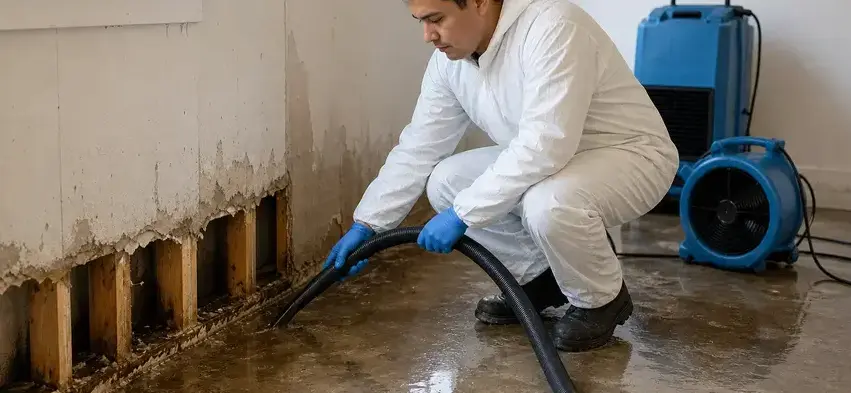
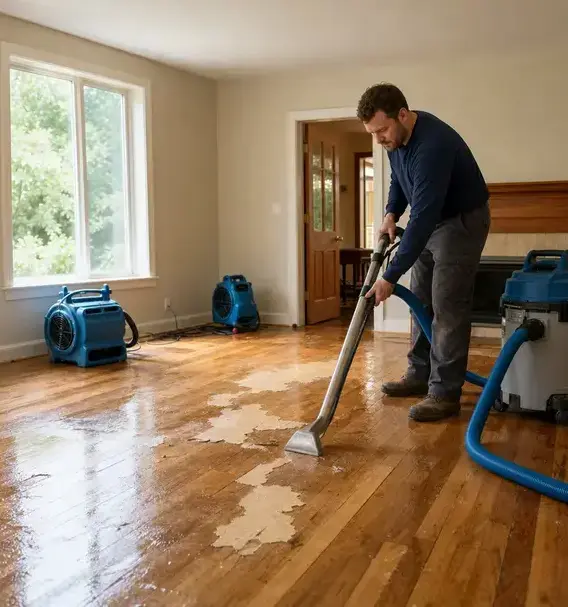
Water Mitigation Services for Wisconsin Rapids Homes
Wisconsin Rapids residents face a particular seasonal challenge: the combination of spring snowmelt and heavy rainfall can elevate water levels in nearby waterways, leading to basement seepage and localized flooding that threatens properties throughout the area. Most homes in Wisconsin Rapids are built with full basements, making them especially vulnerable to water intrusion during these peak moisture periods. Water mitigation—the immediate response to prevent further water damage and dry affected spaces—becomes critical when these weather patterns coincide. Without swift action, standing water can compromise foundations, damage personal property, and create conditions that lead to secondary problems. Early intervention through professional water mitigation can mean the difference between manageable cleanup and extensive, costly restoration.
Lane Water Damage Restoration connects Wisconsin Rapids property owners with independent local restoration providers who specialize in water mitigation. When water enters your home, these providers respond with a clear focus: remove standing water, assess moisture throughout the structure, and begin the drying process before damage spreads. They work methodically to document conditions, identify hidden moisture in walls and subfloors, and deploy equipment suited to the size and nature of the intrusion. Throughout mitigation and the drying phases that follow, the providers in this network keep you informed and coordinate with your insurance company as needed. Getting the right local response quickly is essential—reach out today if you're experiencing active water intrusion in Wisconsin Rapids.
Why Wisconsin Rapids Property Owners Choose Lane Water Damage Restoration
Fast Water Mitigation Response
Water mitigation requires immediate action to limit damage. Lane connects you with local providers ready to respond quickly, preventing costly secondary harm and mold growth in your Wisconsin Rapids home.
Thorough Water Mitigation Process
Effective water mitigation means identifying all affected areas, removing standing water, and drying thoroughly. The independent providers in our network use systematic methods to address visible and hidden moisture throughout your property.
Clear Communication During Mitigation
Water mitigation can feel overwhelming. Lane connects you with local providers who explain each step, answer your questions, and keep you informed so you understand what's happening to protect your home.
Water Mitigation for Seasonal Flooding Risk
Wisconsin Rapids homes face water damage from seasonal snowmelt and heavy rain that can affect basements and lower levels. Rapid water mitigation limits the scope of damage and recovery costs when flooding occurs.
How Our Water Mitigation Process Works
From your initial call to the final inspection, we provide a structured, professional, and efficient process to ensure your property is fully restored after Water Mitigation.
Schedule Your Water Mitigation Visit
Contact Lane Water Damage Restoration to connect with a local water mitigation provider in Wisconsin Rapids. Describe the source and extent of water intrusion so the provider can prioritize your call and arrive ready to assess basement seepage, flooding, or moisture damage.
Water Mitigation Assessment & Drying Plan
A local provider inspects affected areas to identify water sources—often spring snowmelt or seasonal rain raising water levels—and determines which surfaces and materials require extraction, drying, or removal. They develop a water mitigation strategy tailored to your property's condition.
Execute Water Mitigation & Monitor Recovery
The provider removes standing water, operates drying equipment, and monitors moisture levels to halt further water damage. Follow-up visits confirm that water mitigation is complete and your property is stable before restoration or repair work begins.
Dealing with Water Mitigation in Wisconsin Rapids? Get fast, professional help.
Call Now — (715) 227-6166Water Mitigation Needs Across Wisconsin Rapids
Wisconsin Rapids residents face distinct water mitigation challenges shaped by the region's seasonal weather patterns and building construction. Most homes throughout the area are built with full basements—a standard feature of central Wisconsin construction—which creates both functional space and a vulnerability point during periods of heavy precipitation and snowmelt. When spring runoff and seasonal rainfall combine to elevate Wisconsin River levels, basement seepage and localized flooding become real concerns for property owners, making prompt water mitigation essential to prevent structural damage and moisture-related issues.
Water mitigation in Wisconsin Rapids requires an understanding of how these seasonal pressures affect basements specifically. Early detection and swift response—whether addressing minor seepage or active water intrusion—can significantly limit the scope of damage and the complexity of restoration work needed afterward. Local restoration providers connected through Lane Water Damage Restoration understand these regional patterns and can help property owners across Wisconsin Rapids respond quickly when water enters a basement or foundation area, reducing the time water sits and the risk of deeper structural and material damage.
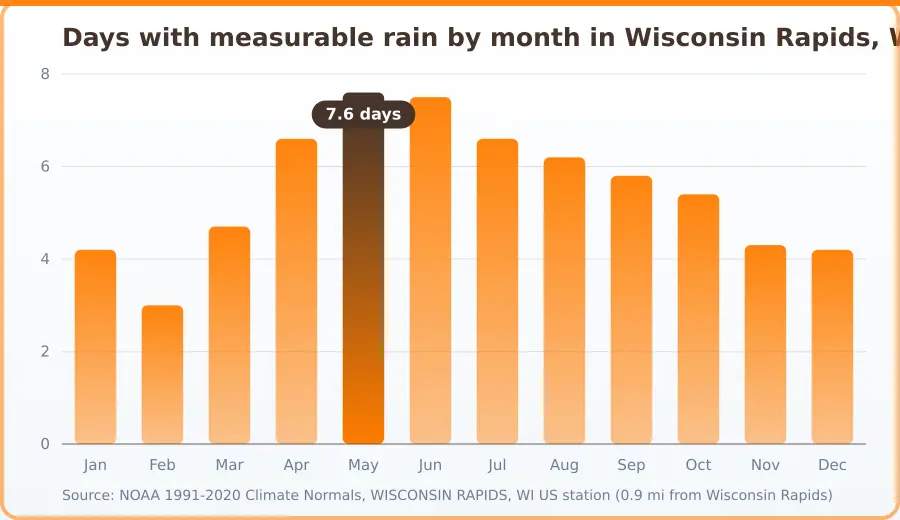
| Period | Days with measurable rain by month (days) |
|---|---|
| Jan | 4.2 |
| Feb | 3 |
| Mar | 4.7 |
| Apr | 6.6 |
| May | 7.6 |
| Jun | 7.5 |
| Jul | 6.6 |
| Aug | 6.2 |
| Sep | 5.8 |
| Oct | 5.4 |
| Nov | 4.3 |
| Dec | 4.2 |
Source: NOAA 1991-2020 Climate Normals, WISCONSIN RAPIDS, WI US station (0.9 mi from Wisconsin Rapids). Retrieved October 4, 2026.
Water Mitigation Through Wisconsin Rapids Seasons
Spring: Snowmelt & Seepage
Spring thaw and heavy rains push water into basements across Wisconsin Rapids as ground saturation peaks and river levels rise. Water mitigation during this critical window means removing standing water, drying structural cavities, and establishing drainage before mold takes hold. Lane Water Damage Restoration connects you with local providers ready to respond quickly to spring water intrusion.
Summer: Heat & Humidity
Summer's warmth accelerates moisture evaporation indoors, but water mitigation remains essential after any rain event or plumbing failure—humidity can trap residual dampness in walls and substructures. Early drying and dehumidification prevent hidden decay. Local restoration providers accessible through Lane Water Damage Restoration help you address summer water damage before it becomes invisible structural compromise.
Fall: Increased Rainfall
Fall brings frequent, heavy rains that test basement integrity and guttering systems across the region. Water mitigation focuses on rapid moisture removal and prevention of secondary damage during this wet season. Lane Water Damage Restoration links property owners to nearby providers who understand fall water-intrusion patterns and can mobilize quickly to stop water from settling into foundations and crawl spaces.
Winter: Freeze-Thaw Cycles
Winter freeze-thaw cycles strain exterior seals and can crack foundations, allowing meltwater to seep in when temperatures rise. Water mitigation in winter requires careful assessment of frozen damage and preventive drying once thaw occurs. Lane Water Damage Restoration connects you with local restoration professionals who recognize winter water vulnerabilities and act before spring saturation compounds the problem.
Water Mitigation FAQs — Wisconsin Rapids, WI
Water mitigation is the immediate action taken after water intrusion to stop further damage and begin recovery. Local providers assess affected areas, extract standing water, dry structural materials, and remove saturated contents. The goal is to stabilize your property and prevent secondary damage like mold growth. This differs from full restoration and is often the critical first step after basement seepage or flooding occurs.
Lane connects you with independent local water mitigation providers in Wisconsin Rapids who can typically respond quickly to active water damage situations. Time matters when water is present—the sooner mitigation begins, the better the outcome. Call or contact us right away if you're experiencing active water intrusion, and we'll link you with a nearby provider ready to help.
Water mitigation pricing depends on several factors: the volume of water present, how many rooms or areas are affected, whether standing water requires extraction, and the types of materials involved. Basement seepage versus active flooding, for example, typically differ in scope and cost. Independent providers in Wisconsin Rapids will assess your specific situation and provide pricing details before work begins.
The provider will begin with a thorough inspection to identify all affected areas and water sources. They'll extract standing water using specialized equipment, then place air movers and dehumidifiers to dry structural materials and indoor air. You may need to vacate temporarily or stay out of affected rooms. The process requires ongoing monitoring, and the provider will communicate progress and next steps throughout.
Mitigation itself addresses immediate water and damage control but does not permanently prevent future seepage. However, the assessment during mitigation often reveals entry points and moisture patterns. A provider can discuss findings with you and may recommend follow-up steps—such as sump pump maintenance or grading evaluation—to reduce recurrence risk in Wisconsin Rapids's climate.
Spring snowmelt and increased seasonal rainfall create heightened risk for basement seepage and localized water intrusion in Wisconsin Rapids homes. Many property owners benefit from being prepared during this season—knowing how to contact a mitigation provider quickly can minimize damage. If you notice water during spring thaw, prompt mitigation action can prevent structural and material loss.
Homeowner Safety Toolkit
Verify Your Wisconsin Rapids, WI Water Damage Restoration Company
Before you hire anyone, use these independent national resources to confirm credentials, standards, and track record.
RIA
A national trade association whose member companies agree to a written code of ethics covering honest estimates, safety, and fair billing.
Code of EthicsIICRC
Sets the technical standards for water damage restoration. Confirm a company's technicians hold real, current IICRC certification before you hire them.
Verify CertificationBBB
Look up any restoration company's complaint history, customer reviews, and accreditation status — a free, independent check before you hire.
Check StandingDealing with Water Mitigation in Wisconsin Rapids, WI? Call (715) 227-6166 for 24/7 help.
Call Now — (715) 227-6166Areas We Serve Near Wisconsin Rapids, Wisconsin
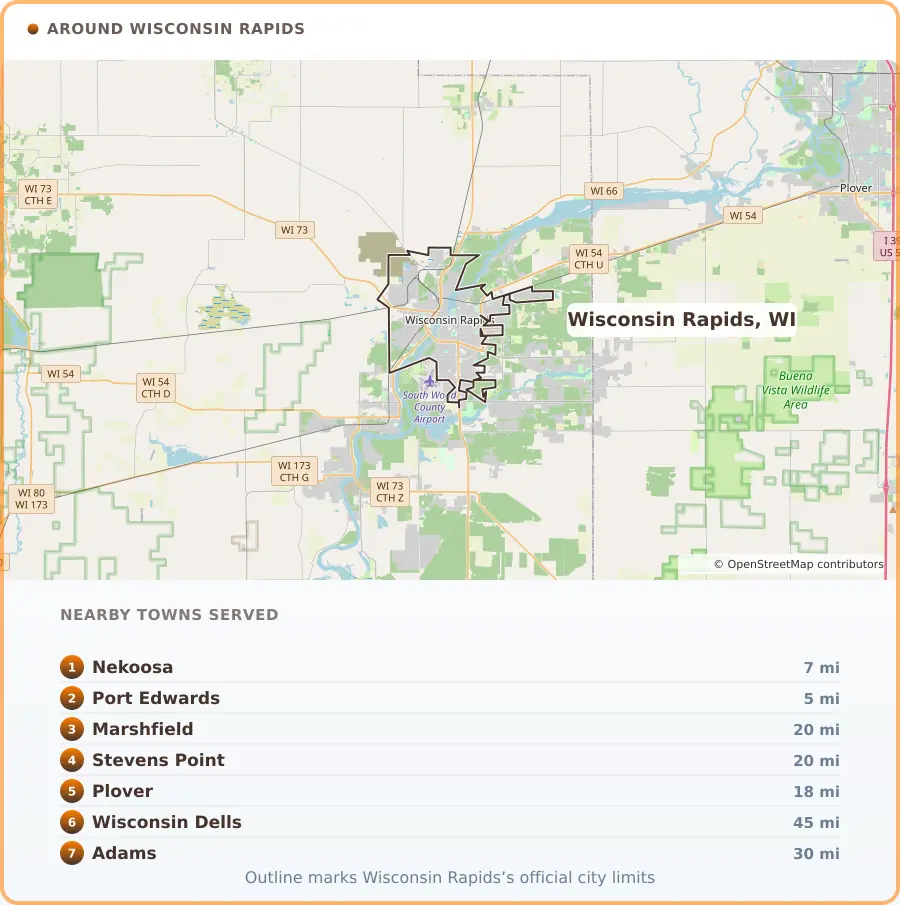
Serving Wisconsin Rapids, WI and 7 communities around it. Local knowledge of how each area is built shapes how the work is handled there.
Wisconsin Rapids, WI Information
Wisconsin Rapids sits along the Wisconsin River in the heart of the state, a community of roughly 17,500 people whose identity is tied closely to the waters that run through it. Papermaking built this city, and Domtar's mill, descended from the old Consolidated Papers operation, still anchors the local economy alongside the surrounding Wood County cranberry marshes that turn a deep red each fall.
Today the mix has broadened: Aspirus Riverview Hospital and Marshfield Clinic provide steady healthcare employment, while locally headquartered Renaissance Learning adds an education-technology presence to a town once defined purely by mills. From Downtown Wisconsin Rapids to the quieter streets of Biron, there's a practical, neighborly character here, shaped by generations of work tied to river, forest, and farm.
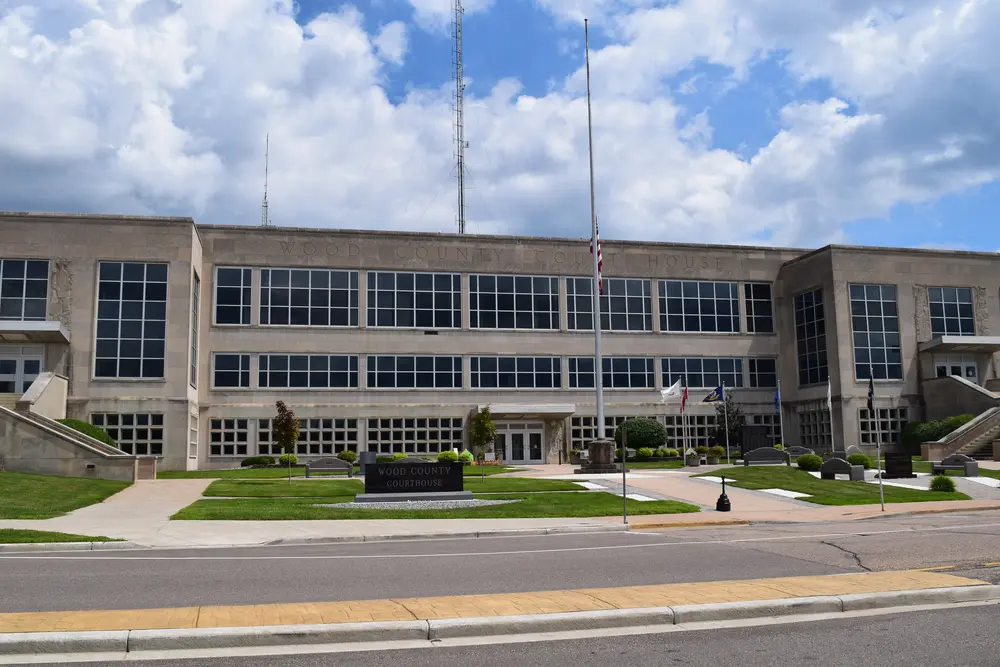
Photo: TheCatalyst31, CC0