

Water Damage Restoration Cost in Wisconsin Rapids, WI
Spring snowmelt and seasonal rain in central Wisconsin can raise water levels and trigger basement seepage that spreads quickly through a home. Water Damage Restoration Cost depends entirely on what a local provider discovers during an inspection—the scope of damage, affected materials, and extent of drying needed—which is why calling immediately after water intrusion begins typically keeps the project smaller and more contained.
Water Damage Restoration Cost in Wisconsin Rapids
Property owners in Wisconsin Rapids face particular exposure to water damage during spring snowmelt and heavy seasonal rainfall, when rising water tables and increased runoff can lead to basement seepage and localized flooding. Because most homes in the area are built with full basements, water intrusion during these periods can affect a significant portion of a property's foundation and living space. Understanding what water damage restoration will cost requires knowing how much water entered, how deep the saturation goes, and how quickly you respond—all factors that directly shape the scope and expense of the work ahead.
Lane Water Damage Restoration connects Wisconsin Rapids property owners with independent local restoration providers who assess damage on-site and explain what the restoration will involve and what it will cost. The providers in our network work through the full picture: identifying the water source and category, measuring the affected area and materials, determining drying time and equipment requirements, and flagging whether structural elements like drywall, flooring, or cabinets must be removed and replaced. Because water damage accelerates quickly, reaching a local provider fast usually keeps the restoration scope smaller and more manageable. When you call, you'll speak with someone local who knows Wisconsin Rapids properties and can guide you toward a restoration plan and cost estimate tailored to your situation.
Why Water Source Type Drives Wisconsin Rapids Restoration Cost
Water Category Determines Scope
Clean water from burst pipes costs less to restore than gray water from appliances or black water from sewage. Sewage-contaminated water requires additional safety measures and removal work. The source of the water dictates how extensively affected materials must be cleaned, treated, or replaced.
Square Footage and Materials Matter
Restoration cost rises with the area affected and the types of materials involved. Carpet, drywall, wood flooring, and cabinetry absorb water differently and require different treatment times. A small bedroom takes far less work than a full basement; hardwood floors cost more to restore than concrete.
Drying Time and Equipment Needs
Longer drying periods require more industrial equipment—dehumidifiers, air movers, and moisture monitoring—running for days or weeks. Thick materials like solid wood and concrete dry slowly and demand sustained equipment rental. Quick water removal and early drying can reduce equipment duration and overall restoration scope.
Basement Seepage Raises Complexity
Wisconsin Rapids homes with full basements face spring snowmelt and seasonal rainfall that can raise water tables and cause seepage through foundation walls. Basement water damage often involves larger areas and longer drying cycles than upper-floor incidents. Early detection and drainage solutions can limit how much material removal and rebuild work becomes necessary.
How Your Water Damage Restoration Cost Is Estimated in Wisconsin Rapids, WI
From your first call to the final invoice, the goal is simple: understand what is driving Water Damage Restoration Cost for your property before any work begins.
Request an On-Site Estimate
Contact Lane Water Damage Restoration to connect with an independent local provider in Wisconsin Rapids who will schedule a visit to inspect your water damage. Early action is critical—the longer water sits, the larger the scope of restoration work becomes and the more the cost will reflect that expanded damage.
Receive a Detailed Scope Assessment
The provider inspects which materials absorbed water—drywall, flooring, cabinets, insulation—and identifies the water category (clean water, gray water, or black water from sewage or contamination), since each category requires different treatment methods that directly affect restoration cost. They also assess drying time, equipment needs, and whether structural removal and rebuilding will be necessary, all of which are the primary drivers of water damage restoration cost.
Review the Cost Estimate Before Work Begins
The provider presents a detailed estimate breaking down what work is required, what materials must be removed and replaced, and how long the drying and restoration process will take—so you understand exactly what is included in the water damage restoration cost before any work is approved or started.
Wondering about Water Damage Restoration Cost in Wisconsin Rapids? Get an on-site estimate from a local provider.
Call Now — (715) 227-6166Water Damage Restoration Cost Factors in Wisconsin Rapids
Water damage restoration cost in Wisconsin Rapids depends heavily on which type of water entered the property and how much of it. Clean water from a burst pipe or supply line costs less to restore than gray water from appliances or toilet overflow, while black water from sewage requires the most extensive and costly remediation. The source matters because it determines what materials can be salvaged, how the affected area must be cleaned, and what safety precautions the restoration provider must take. Spring snowmelt and seasonal heavy rain create conditions that can raise water levels and cause basement seepage across the area, and the longer water sits before restoration begins, the more materials—drywall, flooring, cabinetry, insulation—absorb moisture and require removal and replacement instead of drying in place.
The scope of water damage restoration cost also grows with the size of the wet area and the type of materials affected. A small, contained spill in a finished basement costs far less to dry and restore than water that has spread across multiple rooms or saturated structural elements. The amount of specialized drying equipment needed, the number of days required to safely dry the space, and whether mold has begun to develop all factor into what a local restoration provider will charge. Acting quickly—beginning the drying process within hours rather than days—almost always keeps the damage smaller and the restoration work more limited, which directly affects the final cost.
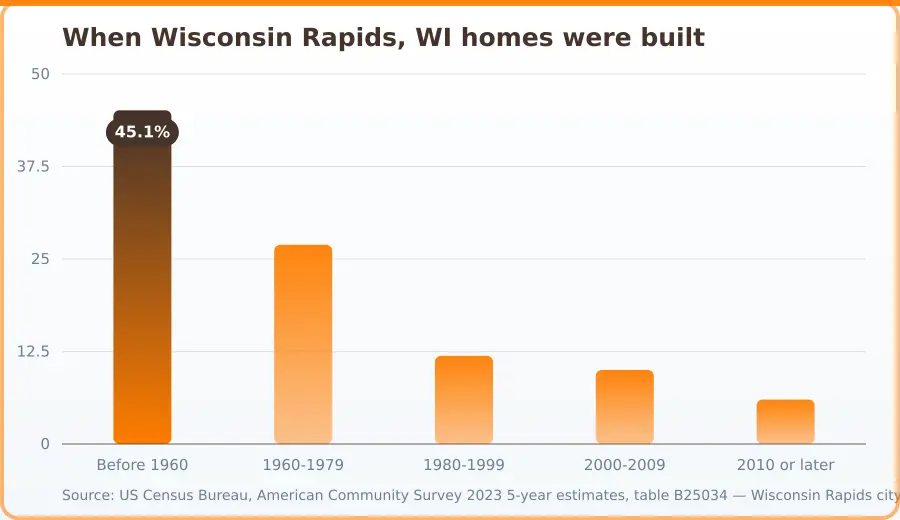
| Period | When homes were built (%) |
|---|---|
| Before 1960 | 45.1 |
| 1960-1979 | 26.9 |
| 1980-1999 | 11.9 |
| 2000-2009 | 10 |
| 2010 or later | 6 |
Source: US Census Bureau, American Community Survey 2023 5-year estimates, table B25034 — Wisconsin Rapids city (9,240 housing units). Retrieved October 4, 2026.
Water Damage Restoration Cost Across Wisconsin Rapids Seasons
Spring: Snowmelt and Seepage
Spring thaw and seasonal rainfall raise groundwater levels and can overwhelm basement drainage systems, driving up restoration costs as water enters below-grade spaces and saturates foundation walls, subflooring, and stored materials. The longer water remains in contact with porous materials like drywall and framing, the more square footage requires removal and replacement, multiplying labor and material expenses. Fast response prevents mold colonization, which would expand the scope and cost significantly.
Summer: Localized Storm Runoff
Heavy summer thunderstorms generate rapid runoff that can breach above-ground entry points and overwhelm storm drains, pushing water into crawl spaces, ground-floor rooms, and mechanical areas. Water damage restoration cost rises with the volume of affected materials—carpet, vinyl, drywall, cabinetry—and the type of water involved; contamination from outdoor debris or backed-up storm systems requires different treatment protocols than clean rainwater intrusion. Lane Water Damage Restoration connects you with local providers who assess category and extent to determine scope and cost.
Fall: Gutter Neglect and Slow Seeps
Autumn leaf debris clogs gutters and downspouts, redirecting water along exterior walls and into foundations during fall rains; this gradual seepage often goes unnoticed for days or weeks, allowing water to penetrate deeper into structural and finish materials. Delayed detection increases restoration cost because drywall, insulation, and lumber absorb more moisture before drying begins, requiring longer equipment rental and more extensive material replacement. Early identification through professional inspection keeps drying time and equipment needs minimal.
Winter: Freeze-Thaw and Pipe Failure
Freezing temperatures and thawing cycles can crack water supply lines and cause interior pipe bursts, releasing large volumes of clean water that flood walls, ceilings, and multiple rooms within hours. Restoration cost depends on how many structural cavities and finish surfaces absorbed water before the main valve was shut off, plus the time required for complete drying in cold, humid conditions when indoor air cannot easily evaporate moisture. Immediate shut-off and professional drying assessment prevent secondary damage and unnecessary material replacement.
Water Damage Restoration Cost FAQs — Wisconsin Rapids, WI
The cost depends on several key factors: the category of water involved, the size and materials of affected areas, how long drying takes, and whether structural repair or rebuilding is necessary. A basement seepage event affects cost differently than contaminated water damage. Drying duration, driven by humidity and temperature, also influences labor and equipment expenses. The independent local provider you're connected with will assess all these factors during an on-site inspection.
Wisconsin Rapids-area properties face seasonal water-intrusion risks that can expand restoration scope and cost. When spring conditions bring heavy precipitation and elevated water levels, basement seepage becomes more common, potentially requiring more extensive drying time and dehumidification. The scope of damage and materials affected—not just the incident itself—determines what restoration will cost. A local provider's inspection reveals the true extent of work needed.
Quick action limits secondary damage to materials and finishes, which directly affects repair and replacement costs. The longer water sits, the more absorption occurs in drywall, insulation, flooring, and structural components—expanding the scope of work. Early intervention also reduces mold development risks and prevents damage from spreading to unaffected areas. Connecting with a local provider quickly means faster assessment and a clearer, often lower-cost estimate.
Lane Water Damage Restoration connects you with an independent local provider who visits your Wisconsin Rapids property in person. That provider inspects the water-affected areas, measures the scope of damage, evaluates materials involved, and assesses drying requirements. Based on these findings, they provide you with a cost estimate for restoration work. This on-site evaluation is the foundation for accurate pricing—no two water events are identical.
Homeowners insurance may cover certain water damage scenarios, which can influence your out-of-pocket cost, but coverage varies widely by policy and cause. The independent provider you connect with can work with your insurance documentation, but they do not guarantee coverage or claim approval. Discuss your specific policy with your insurer before or immediately after an incident. Your provider's estimate will detail the total restoration cost regardless of insurance involvement.
Lane Water Damage Restoration connects you with an independent local provider who can schedule an on-site inspection promptly. Response time depends on the provider's availability and current demand, but local providers typically prioritize water damage emergencies. The faster you reach out, the sooner an inspection can happen and an accurate cost estimate can be prepared. For active water intrusion or flooding, contact a provider immediately to prevent additional damage.
Homeowner Safety Toolkit
Verify Your Wisconsin Rapids, WI Water Damage Restoration Company
Before you hire anyone, use these independent national resources to confirm credentials, standards, and track record.
RIA
A national trade association whose member companies agree to a written code of ethics covering honest estimates, safety, and fair billing.
Code of EthicsIICRC
Sets the technical standards for water damage restoration. Confirm a company's technicians hold real, current IICRC certification before you hire them.
Verify CertificationBBB
Look up any restoration company's complaint history, customer reviews, and accreditation status — a free, independent check before you hire.
Check StandingQuestions about Water Damage Restoration Cost in Wisconsin Rapids, WI? Call (715) 227-6166 to arrange a local on-site estimate.
Call Now — (715) 227-6166Areas We Serve Near Wisconsin Rapids, Wisconsin
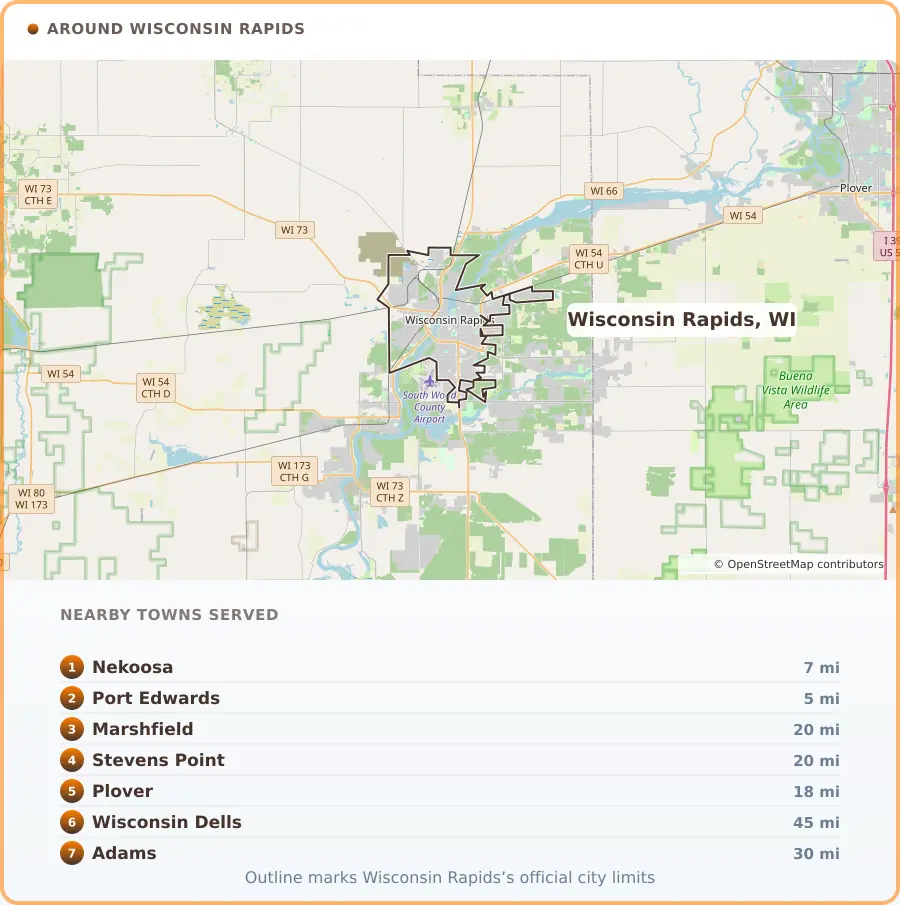
Serving Wisconsin Rapids, WI and 7 communities around it. Local knowledge of how each area is built shapes how the work is handled there.
Wisconsin Rapids, WI Information
Wisconsin Rapids sits along the Wisconsin River in the heart of the state, a community of roughly 17,500 people whose identity is tied closely to the waters that run through it. Papermaking built this city, and Domtar's mill, descended from the old Consolidated Papers operation, still anchors the local economy alongside the surrounding Wood County cranberry marshes that turn a deep red each fall.
Today the mix has broadened: Aspirus Riverview Hospital and Marshfield Clinic provide steady healthcare employment, while locally headquartered Renaissance Learning adds an education-technology presence to a town once defined purely by mills. From Downtown Wisconsin Rapids to the quieter streets of Biron, there's a practical, neighborly character here, shaped by generations of work tied to river, forest, and farm.
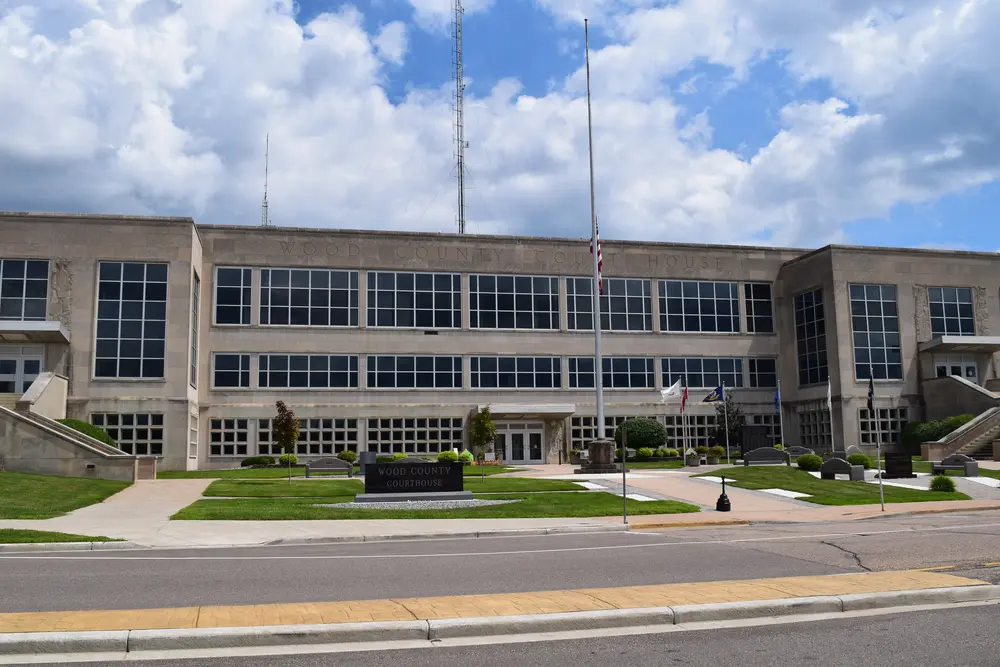
Photo: TheCatalyst31, CC0