

Flood Damage Restoration in Wisconsin Rapids, WI
Wisconsin Rapids homes with full basements face heightened risk during spring snowmelt and heavy seasonal rainfall, when rising water tables and swollen waterways can lead to basement seepage and localized flooding. Flood damage restoration becomes critical in these conditions to prevent structural compromise, mold growth, and property loss. Lane Water Damage Restoration connects Wisconsin Rapids property owners with independent local restoration providers who respond quickly to active water damage, helping protect your home and contents when time matters most.
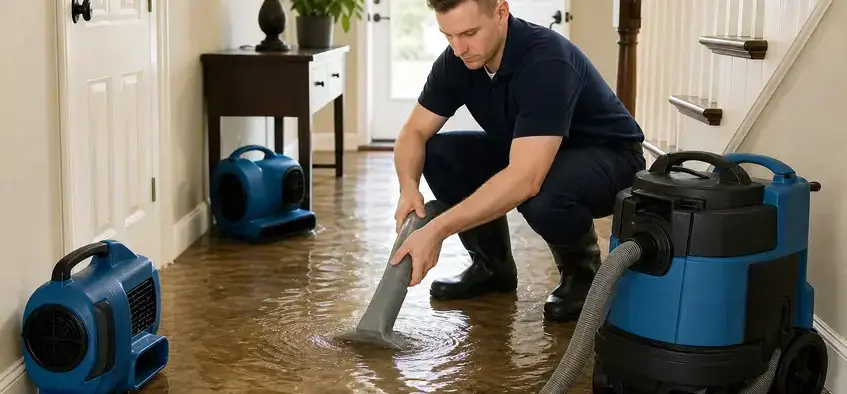
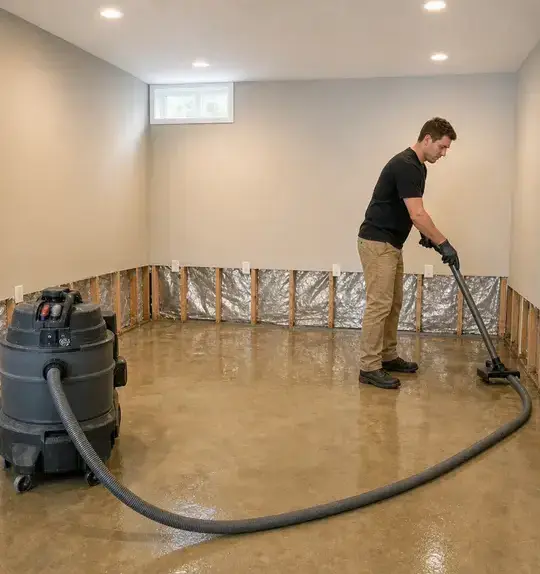
Flood Damage Restoration in Wisconsin Rapids
Wisconsin Rapids residents face particular vulnerability to water intrusion during seasons of heavy precipitation and spring snowmelt, when rising water tables and swollen waterways can lead to basement flooding and seepage that threatens property and possessions. Most homes throughout the area are constructed with full basements—a common building practice in central Wisconsin—making basements a frequent point of entry for floodwater. When heavy seasonal rains coincide with elevated Wisconsin River levels, the resulting groundwater pressure can overwhelm foundation barriers, leaving property owners facing urgent water removal and restoration needs. Flood damage in Wisconsin Rapids and surrounding neighborhoods like South Side and Biron demands swift response to prevent structural deterioration, mold development, and long-term property loss.
Lane Water Damage Restoration connects Wisconsin Rapids property owners with independent local providers who specialize in flood damage restoration, from initial water extraction and structural drying through comprehensive cleanup and restoration. The independent providers in this network understand the seasonal and hydrological patterns that drive flooding in this region and respond quickly to active emergencies. They work systematically to remove standing water, dry affected areas, salvage materials where possible, and restore your property to safe, functional condition. Whether your basement has taken on water from heavy rain, rising groundwater, or localized flooding, reaching out promptly to a local restoration provider through Lane can make the difference in limiting damage and accelerating recovery.
Why Wisconsin Rapids Property Owners Choose Lane Water Damage Restoration
Fast Response to Flood Damage
Water damage escalates rapidly. Lane connects you to local restoration providers ready to respond quickly, minimizing water absorption into walls, flooring, and structural materials during the critical first hours.
Clear Communication Throughout Restoration
Flood damage restoration involves complex decisions. Independent providers in the Lane network keep you informed at each stage, explaining what's being treated, why, and what to expect as water is extracted and materials dry.
Thorough Flood Damage Treatment
Incomplete water removal leads to hidden damage and mold risk. Providers connected through Lane use systematic extraction, drying, and inspection to address visible and concealed moisture throughout your property.
Wisconsin Rapids Spring & Seasonal Flooding
Central Wisconsin's seasonal rainfall and spring snowmelt can raise water tables and cause basement seepage in homes throughout Wisconsin Rapids. Lane connects property owners to local providers experienced in addressing water intrusion when conditions peak.
How Our Flood Damage Restoration Process Works
From your initial call to the final inspection, we provide a structured, professional, and efficient process to ensure your property is fully restored after Flood Damage Restoration.
Report Flood Damage to Lane Water
Contact Lane Water Damage Restoration to report active flooding or water intrusion at your Wisconsin Rapids property. We connect you with a local flood damage restoration provider who can dispatch quickly to assess and begin mitigation.
Local Provider Inspects Flood Damage
A restoration provider visits your home to evaluate water levels, affected areas, and damage severity—especially in basements where spring snowmelt and seasonal rainfall commonly cause seepage and flooding in central Wisconsin homes. They document conditions and outline a flood damage restoration plan.
Flood Damage Restoration & Recovery
The provider extracts standing water, dries affected spaces, and addresses flood-damaged materials and contents. Once water removal and flood damage restoration are complete, they guide you through next steps, including coordination with your insurance claim if needed.
Dealing with Flood Damage Restoration in Wisconsin Rapids? Get fast, professional help.
Call Now — (715) 227-6166Flood Damage Restoration Across Wisconsin Rapids
Wisconsin Rapids properties face distinct water-damage exposure tied to the region's seasonal weather cycle. Spring snowmelt and heavy seasonal rainfall combine to elevate Wisconsin River levels, creating conditions that lead to localized flooding and basement seepage across much of the area. Because most homes in Wisconsin Rapids are built with full basements—standard practice throughout central Wisconsin—water intrusion during these high-water periods can affect a large portion of the housing stock, from established neighborhoods to newer residential areas. The timing and intensity of these seasonal events mean that flood damage restoration is often urgent work, requiring fast response to prevent structural damage, mold growth, and other complications.
When basement water damage occurs, whether from direct flooding or gradual seepage, the restoration process demands specialized equipment and prompt extraction to protect the home's foundation and interior. Lane Water Damage Restoration connects Wisconsin Rapids property owners with independent local restoration providers who understand the regional seasonal patterns and can mobilize quickly when water intrusion happens. Early intervention—during spring thaw and after heavy rain events—is critical to minimize loss and protect your property's long-term integrity.
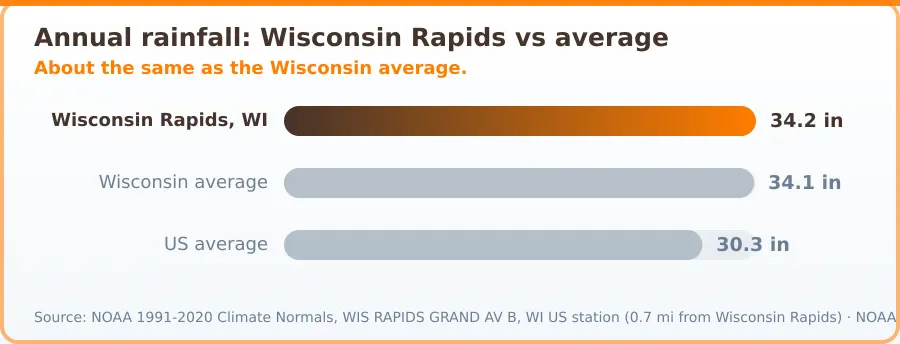
| Location | Annual rainfall vs average (in) |
|---|---|
| Wisconsin Rapids, WI | 34.2 |
| Wisconsin average | 34.1 |
| US average | 30.3 |
Source: NOAA 1991-2020 Climate Normals, WIS RAPIDS GRAND AV B, WI US station (0.7 mi from Wisconsin Rapids) · NOAA 1991-2020 US normals. Retrieved October 4, 2026.
Seasonal Flood Damage Restoration Needs in Wisconsin Rapids
Spring: Snowmelt & Rising Waters
Spring thaw and heavy seasonal rains raise water tables and river levels across central Wisconsin, making basement seepage and localized flooding common threats to homes with full basements. Lane Water Damage Restoration connects property owners to local providers who respond quickly to spring water intrusion, extracting standing water and beginning structural drying before moisture causes lasting damage.
Summer: Intense Storm Runoff
Summer thunderstorms bring sudden heavy rainfall that can overwhelm drainage systems and saturate soil around foundations, pushing water into basements and crawl spaces. When flash flooding or storm-driven water intrusion occurs, Lane Water Damage Restoration links you with independent local restoration providers in your area who can mobilize fast to pump out water, dry affected spaces, and prevent mold growth.
Fall: Clogged Drains & Saturation
Autumn rainfall combines with leaves and debris that clog gutters and foundation drainage, leaving soil around homes oversaturated and prone to seepage during wet spells. Flood damage restoration becomes urgent when water begins entering basements; Lane Water Damage Restoration helps you find nearby restoration professionals who assess moisture intrusion, extract water, and recommend preventive measures before winter arrives.
Winter: Freeze-Thaw & Seepage
Freeze-thaw cycles and winter snow can shift soil and compromise drainage patterns, creating conditions where spring melt and groundwater pressure lead to basement flooding. When winter or early-spring water damage occurs, Lane Water Damage Restoration connects you with local providers who handle water extraction, drying, and restoration to protect your home's interior and foundation integrity.
Flood Damage Restoration FAQs — Wisconsin Rapids, WI
Flood damage restoration includes water extraction, structural drying, removal of damaged materials, and sanitization of affected areas. The process begins with assessment of how far water has penetrated—basements, walls, flooring, and contents. Professionals then pump out standing water, use specialized drying equipment, and work to prevent secondary damage like mold growth. The scope depends on the water source and how long water sat before restoration began.
Lane Water Damage Restoration connects Wisconsin Rapids property owners with independent local providers who respond to flood emergencies urgently. Because they're based in the area, providers can typically reach you quickly—minutes matter when water is actively damaging your property. Call or contact us immediately when flooding occurs; the local providers in our network understand Wisconsin Rapids' seasonal water risks and prioritize rapid response.
Restoration costs depend on the volume of water, which areas are affected, how long water was present, and what materials must be removed or dried. Basements require different approaches than upper floors; contamination level matters; and whether structural framing or insulation absorbed water all influence the final scope. Each provider offers estimates based on your specific situation, so contact a local professional early to understand potential costs for your property.
Document the damage with photos and video for insurance purposes before cleanup starts. Remove personal items and valuables from affected areas if safe to do so. Turn off electrical power to flooded zones to avoid hazards. Do not enter areas with standing water if sewage may be involved—let the restoration professionals handle contaminated water safely. Have your insurance information ready and clear pathways for equipment access.
Maintain gutters and downspouts to direct runoff away from your foundation. Grade soil away from the house so water doesn't pool near basement walls. Seal foundation cracks and install a sump pump if your basement is prone to seepage. During heavy spring snowmelt and seasonal rains, monitor basement moisture and keep storm drains clear. Regular maintenance reduces—though cannot fully eliminate—water intrusion risk in central Wisconsin homes.
Wisconsin Rapids sits near the Wisconsin River, and spring snowmelt combined with heavy seasonal rainfall raises water levels in the river and surrounding drainage areas, leading to localized flooding and basement seepage in the community. Homes built with full basements are especially vulnerable during these periods. Understanding your property's risk during high-water seasons helps you respond faster when flooding threatens—contact a local restoration provider immediately if water enters your basement.
Homeowner Safety Toolkit
Verify Your Wisconsin Rapids, WI Water Damage Restoration Company
Before you hire anyone, use these independent national resources to confirm credentials, standards, and track record.
RIA
A national trade association whose member companies agree to a written code of ethics covering honest estimates, safety, and fair billing.
Code of EthicsIICRC
Sets the technical standards for water damage restoration. Confirm a company's technicians hold real, current IICRC certification before you hire them.
Verify CertificationBBB
Look up any restoration company's complaint history, customer reviews, and accreditation status — a free, independent check before you hire.
Check StandingDealing with Flood Damage Restoration in Wisconsin Rapids, WI? Call (715) 227-6166 for 24/7 help.
Call Now — (715) 227-6166Areas We Serve Near Wisconsin Rapids, Wisconsin
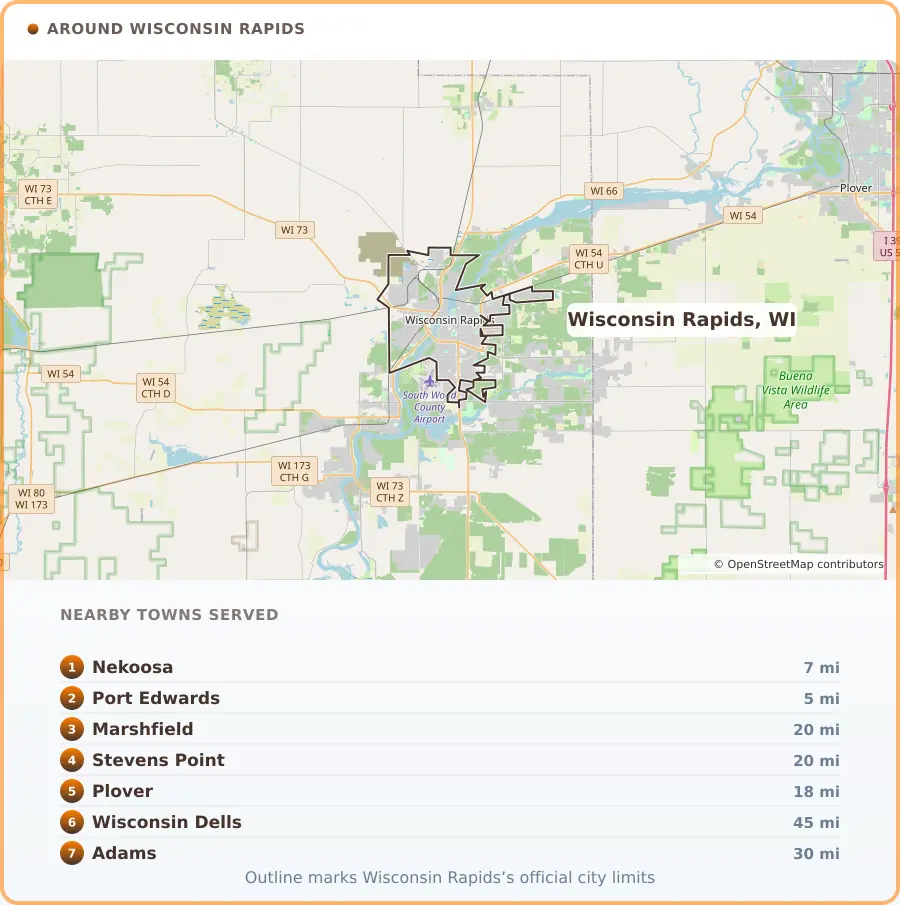
Serving Wisconsin Rapids, WI and 7 communities around it. Local knowledge of how each area is built shapes how the work is handled there.
Wisconsin Rapids, WI Information
Wisconsin Rapids sits along the Wisconsin River in the heart of the state, a community of roughly 17,500 people whose identity is tied closely to the waters that run through it. Papermaking built this city, and Domtar's mill, descended from the old Consolidated Papers operation, still anchors the local economy alongside the surrounding Wood County cranberry marshes that turn a deep red each fall.
Today the mix has broadened: Aspirus Riverview Hospital and Marshfield Clinic provide steady healthcare employment, while locally headquartered Renaissance Learning adds an education-technology presence to a town once defined purely by mills. From Downtown Wisconsin Rapids to the quieter streets of Biron, there's a practical, neighborly character here, shaped by generations of work tied to river, forest, and farm.
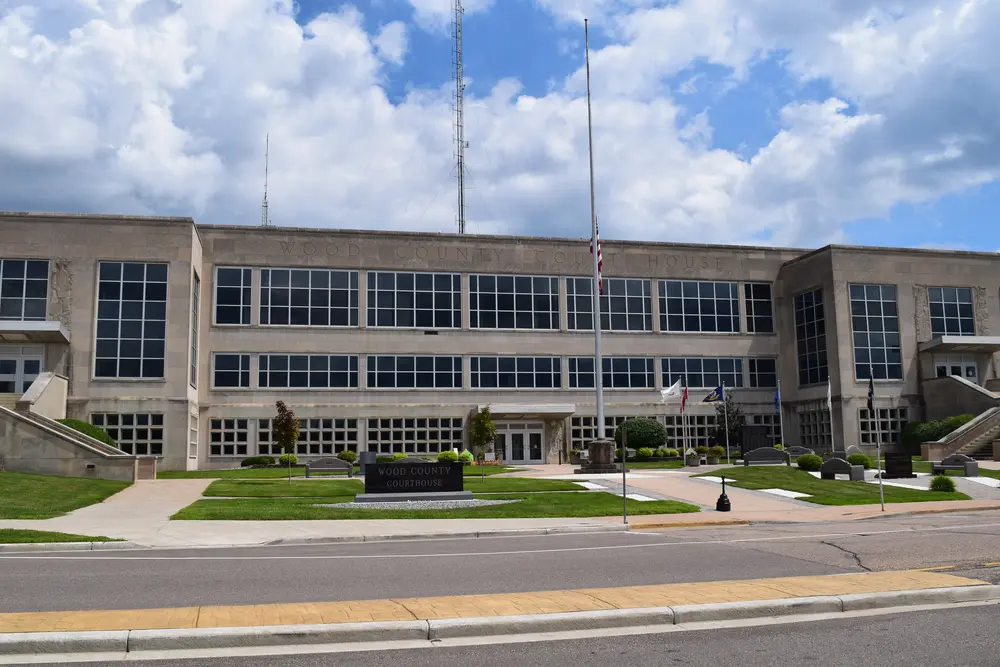
Photo: TheCatalyst31, CC0